

Why I Beg My Couples to Stop Asking for "Farm-to-Table" Wedding Food

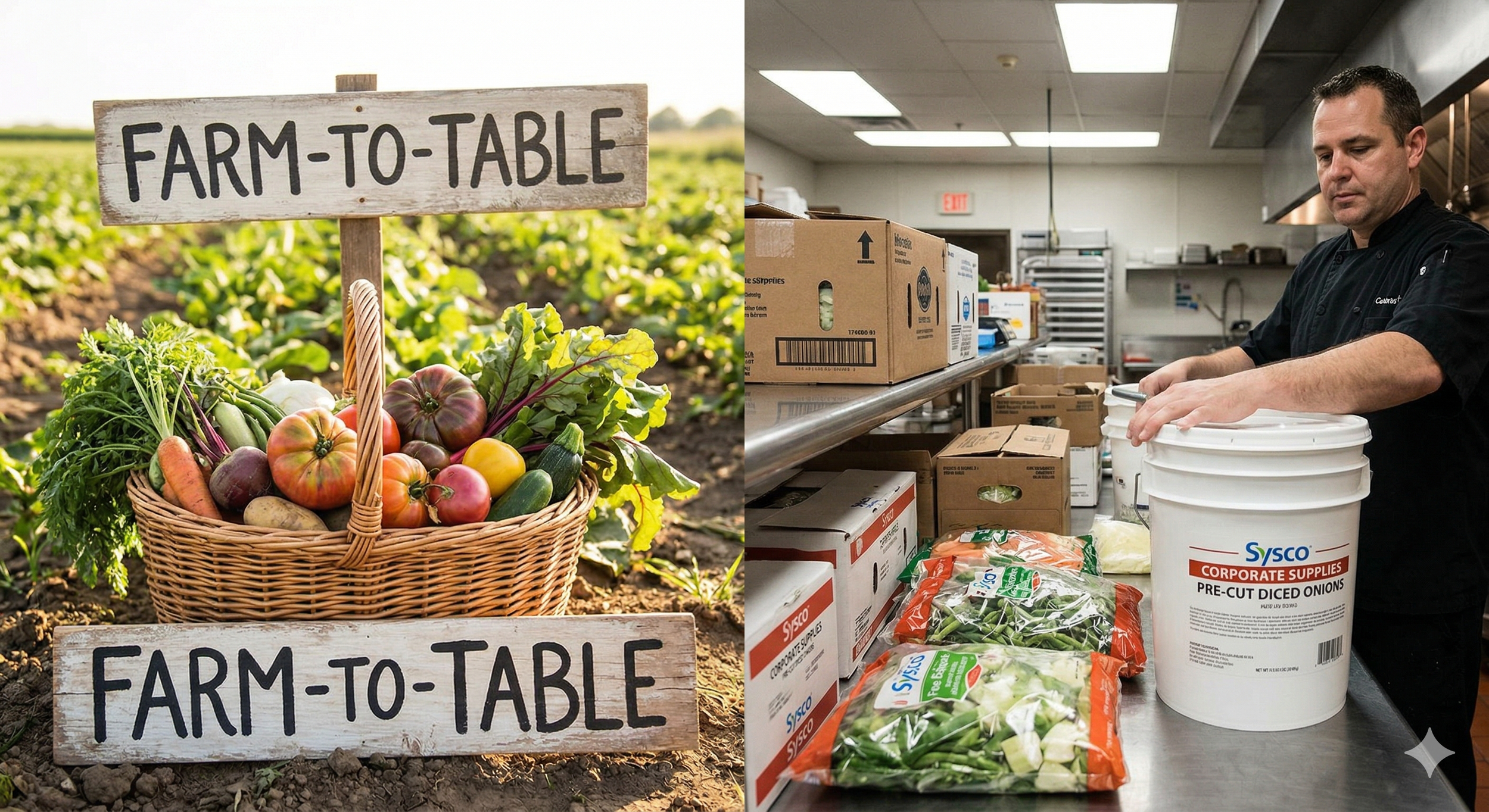
"Farm-to-table" is probably the biggest buzzword in the wedding industry right now.
As an SEO director by day and a wedding planner on the weekends, I see the search trends, and I hear it from almost every couple I meet. Everyone wants a hyper-local, organic, custom menu. I get it. I really do.
But because I actually read catering invoices for a living, I have to pop that bubble.
Unless you are paying top dollar to hire a boutique private chef, your standard wedding caterer is buying their bulk produce from the exact same corporate delivery trucks that supply your local diner. That is just the reality of feeding 150 people at once.
If you actually want fresh food that doesn't drain your bank account, you have to stop worrying about the buzzwords and start playing the seasonality game. Here is how I force standard catering companies to deliver better, cheaper meals.
The "Out-of-Season" Tax
Caterers lock in their pricing months before your big day.
Let’s say you demand a strawberry spinach salad for a late November wedding. The catering company now has to figure out how to source fresh berries in the dead of winter. They end up paying a massive premium to ship those berries on a plane from another hemisphere. Guess who absorbs that shipping cost? You do.
And worse, those berries will taste like wet paper because they were picked three weeks early just to survive the trip.
When you stick to what is actually growing in the dirt right now in your time zone, the supply is massive, shipping is cheap, and the food actually has flavor.
The Best Contract Hack: "Chef's Choice"
This is my absolute favorite trick to get couples a better menu.
When you sign your catering contract a year out, lock in the expensive stuff. Lock in your steak, your chicken, your fish. But do not lock in the vegetable side dish. Do not write "roasted asparagus" on the dotted line.
Instead, ask the caterer to write in: "Chef's choice of seasonal local vegetable." This gives the kitchen the freedom to go to their supplier the week of your wedding and grab whatever looks the best and costs the least. Chefs absolutely love this. It lets them cook based on quality, not a rigid spreadsheet from a year ago.
What You Should Actually Serve (By Season)
You don't need a crazy, complicated menu to impress your guests. You just need food that matches the temperature outside.
Spring: People want a heavy crunch after a long winter. Snap peas, asparagus, and radishes. Skip the heavy beef and go with a lighter chicken dish covered in a lemon-herb sauce.
Summer: This is the only window where you should be serving tomatoes and sweet corn. Focus heavily on Caprese salads, corn purees, and grilled zucchini.
Fall: The temperature drops and people want heavy comfort food. Bring out the roasted root veggies (carrots, parsnips), butternut squash ravioli, and pork paired with apples.
Winter: Winter is a brutal time for fresh produce. Stop fighting it. Lean into rich, heavy dishes. Braised short ribs, mushroom risottos, and dark leafy greens like Swiss chard to cut through the heavy fat.
Fixing the Sad Vegetarian Meal
One massive perk of eating seasonally is that it automatically fixes the "vegetarian problem."
Standard wedding catering is famous for serving vegetarians a sad, rubbery Portobello mushroom cap while everyone else eats steak. When you build a menu around heavy, in-season produce, the meatless options become actual meals. A roasted acorn squash stuffed with autumn grains is something even your meat-eating guests will try to steal.
Make the Bar Match the Kitchen
Do not stop at the dinner plate. Your bar needs to match the weather.
Nobody wants to drink a heavy, room-temperature Cabernet in July. Serve crisp white wines, chilled rosés, and signature drinks built with fresh cucumber or basil. In the winter? Ditch the frozen margaritas. Serve heavier reds, spiced ciders, and bourbon-based drinks.
If you want a wedding dinner that people actually remember, stop forcing out-of-season luxury items onto the plate. Keep it simple, trust the season, and let the kitchen buy what looks good that week.