
How Much Does a Wedding Pasta Bar Cost? A Realistic 2026 Guide
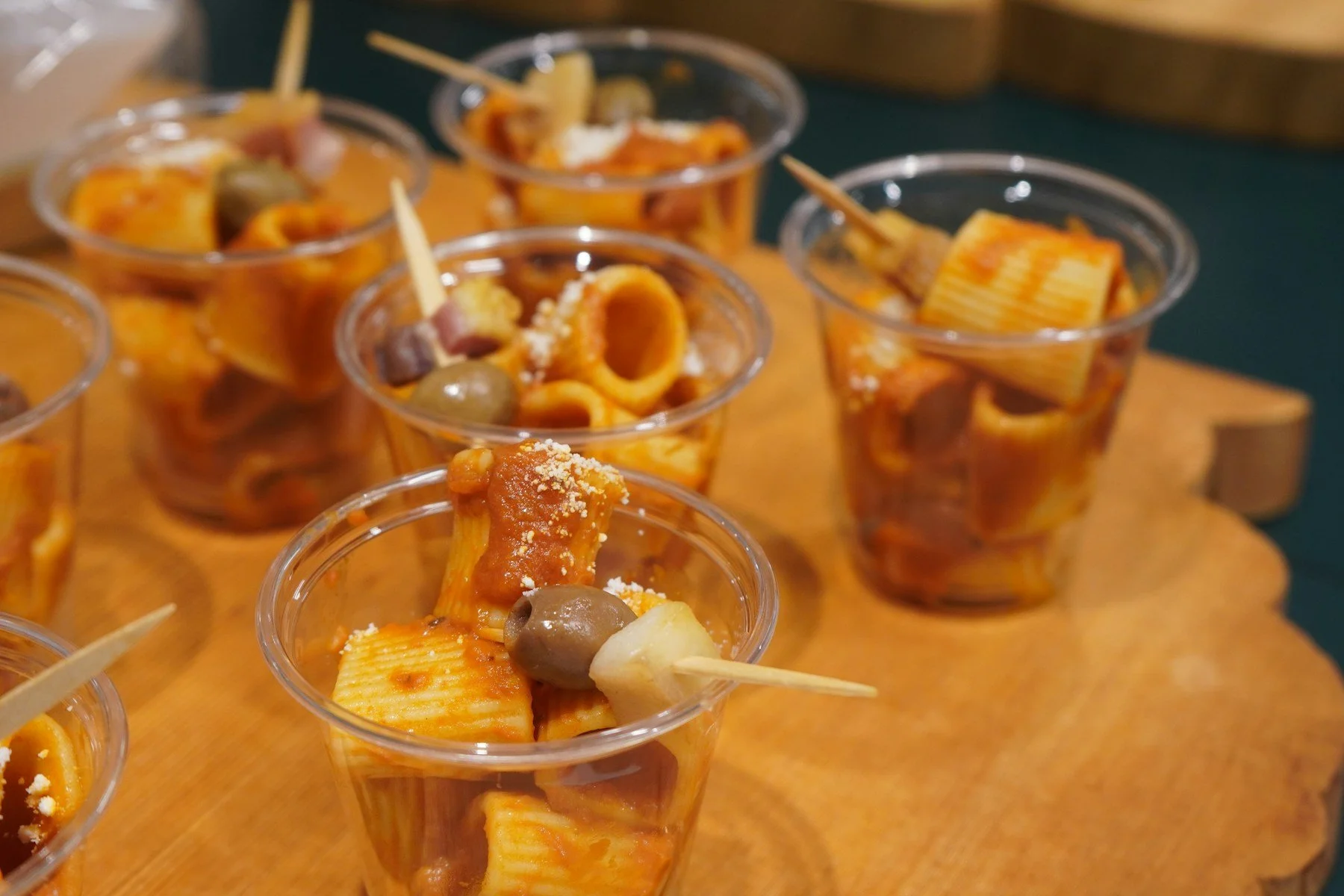
A pasta bar can feed a large wedding crowd without making the meal feel like a compromise. Guests get a familiar dinner, vegetarian options are easy to include, and the menu can stretch from a simple drop-off buffet to a staffed station with fresh pasta and made-to-order sauces.
The final cost depends on more than noodles. Sauces, proteins, hot-holding equipment, serving staff, china, delivery, venue fees, and the number of choices all affect the bill. The best value usually comes from a focused menu that moves quickly and stays hot.
Wedding Pasta Bar Cost at a Glance
Use these ranges as planning estimates while you collect local quotes:
- Restaurant drop-off pasta buffet: about $12 to $22 per guest
- Catered self-serve pasta bar: about $22 to $38 per guest
- Staffed or made-to-order pasta station: about $35 to $55 or more per guest
- Delivery, setup, and hot-holding equipment: often $150 to $600
- China, flatware, linens, and service staff: commonly $8 to $20 per guest when not included
For 100 guests, a practical catered pasta-bar budget is often $2,800 to $4,500 after food, delivery, equipment, and basic staffing. Premium proteins, multiple attended stations, rentals, tax, and gratuity can move the total higher.
What Should a Wedding Pasta Bar Include?
A polished pasta buffet does not need six noodles and six sauces. Too many combinations slow the line, increase waste, and make temperature control harder. A balanced menu can be built with:
- Two pasta shapes, including one sturdy short pasta
- Two sauces, usually one tomato-based and one cream, pesto, or olive-oil option
- One meat protein and one vegetarian protein or substantial vegetable topping
- A green salad
- Bread or garlic knots
- Parmesan, herbs, red pepper flakes, and one or two finishing toppings
- A clearly labeled gluten-free option when needed
Choose combinations that can share toppings and sides. That keeps the table cohesive and reduces the number of separate pans the caterer must prepare.
Option 1: Restaurant Drop-Off Catering
Local Italian restaurants often offer half pans, full pans, salad trays, and bread packages. This can cost roughly $12 to $22 per guest, depending on the proteins and portion sizes.
For 75 guests, a simple order might include two pasta dishes, one chicken dish, salad, bread, serving utensils, and disposable plates. The food portion could land around $1,100 to $1,650 before delivery, tax, warming equipment, and anyone hired to set up or replenish it.
Drop-off service is most successful when the venue allows outside food and someone specific is responsible for receiving the order, checking temperatures, lighting the chafers, replenishing pans, clearing plates, and handling leftovers. A delivery driver is not a substitute for reception staff.
Option 2: Catered Self-Serve Pasta Bar
A traditional caterer can provide the food, equipment, setup, and buffet attendants. Budget about $22 to $38 per guest for a straightforward pasta menu.
At 100 guests, food and basic service may cost $2,200 to $3,800 before rentals, tax, service charges, and gratuity. This option usually costs more than restaurant drop-off, but it removes several jobs from the couple and reduces the risk of an empty pan or cold sauce during dinner.
Ask whether the quote includes:
- Chafing dishes and fuel
- Serving utensils
- Buffet tables and linens
- Staff for setup, replenishment, and cleanup
- Plates, bowls, forks, and napkins
- Delivery and kitchen fees
- Packing or disposal of leftovers
Option 3: A Made-to-Order Pasta Station
An attended pasta station lets guests choose ingredients while a cook finishes each serving. It feels interactive and can look more upscale, but it is the slowest and most labor-intensive version. Plan around $35 to $55 or more per person.
Made-to-order service works best when there are multiple cooks or stations. One pan cannot efficiently serve a large wedding. Ask the caterer how many guests each station can serve in 15 minutes and how they prevent the final tables from waiting too long.
For more than about 75 guests, consider a hybrid: keep two finished pasta dishes on the buffet and use one attended station for a premium option.
Sample Pasta Bar Budgets
50-Guest Restaurant Drop-Off
- Pasta, chicken, salad, and bread: $850
- Delivery and setup fee: $125
- Chafers and serving pieces: $125
- Disposable dinnerware: $75
- One event helper for setup and cleanup: $180
Planning total: about $1,355
100-Guest Catered Buffet
- Food at $27 per guest: $2,700
- Delivery and hot-holding equipment: $250
- Two buffet attendants: $450
- Basic dinnerware and napkins: $350
- Tax and service allowance: $650
Planning total: about $4,400
150-Guest Premium Pasta Station
- Food and attended stations at $42 per guest: $6,300
- Additional rentals and setup: $500
- China, flatware, and linens: $1,350
- Tax, service charge, and gratuity allowance: $1,500
Planning total: about $9,650
These examples are budgeting tools, not guaranteed quotes. Replace every number with written local pricing before booking.
Hidden Costs Couples Miss
The menu price is rarely the full invoice. Ask about:
- Delivery mileage, parking, and tolls
- Venue kitchen or outside-caterer fees
- Chafing dishes, fuel, extension cords, or induction equipment
- Buffet tables and linens
- Plates, pasta bowls, flatware, and napkins
- Setup, buffet attendants, bussing, and cleanup
- Cake-cutting or bar staff that must be booked through the caterer
- Tax, administrative fees, service charges, and gratuity
- Vegetarian, vegan, gluten-free, and allergy-safe portions
- Leftover containers and late pickup fees
A low per-person quote can become expensive after staffing and rentals are added. Compare vendors using the final estimated total for the same guest count and service level.
How Much Pasta Do You Need?
For a full dinner with salad, bread, and protein, caterers commonly plan a generous cooked portion rather than treating pasta as a small side. The exact amount depends on the shape, sauce, and other dishes, so let the caterer calculate production quantities.
For budgeting, count every guest, the couple, the wedding party, vendors receiving meals, and a small cushion required by the caterer. Do not order an extra full pan simply because the menu has several options. Variety does not mean every guest needs a complete serving of every pasta.
Keep the Buffet Line Moving
Pasta bars can create long lines when guests must make too many decisions. Use two identical buffet lines for larger weddings, place plates at both ends, and repeat the most popular items. Put salad and bread on a separate table so guests who only need a side do not block the main line.
Clear labels help guests decide before they reach the pans. Include the pasta shape, sauce, protein, and common allergens.
How to Save Without Making Dinner Feel Cheap
Choose One Premium Protein
Chicken, sausage, or meatballs usually provide better value than offering several meats. Use vegetables, beans, cheese, and sauces to create variety around one main protein.
Skip Made-to-Order Service
Finished pasta dishes held and replenished correctly can still feel polished. Spend on reliable staff and attractive serving pieces instead of a chef station that creates a line.
Use Short Pasta Shapes
Penne, rigatoni, cavatappi, and farfalle are easier to serve neatly than long noodles. They also hold sauce well and are less likely to land on formal clothes.
Limit the Menu
Two pasta dishes, salad, bread, and one protein can feel more intentional than a crowded table of average options. A focused menu reduces waste and simplifies allergy labels.
Use Venue Inventory
Confirm whether the venue already owns buffet tables, linens, chafers, serving utensils, and dinnerware. Included equipment can save hundreds of dollars.
Questions to Ask Before Booking
- Is the quoted portion intended as a full dinner or a side dish?
- Which delivery, setup, staffing, rental, tax, and service fees are separate?
- How many buffet lines or attended stations are included?
- How long will it take to serve the full guest count?
- Who monitors temperatures and replenishes the food?
- How are gluten-free meals and allergies protected from cross-contact?
- Are plates, bowls, flatware, napkins, and serving pieces included?
- What venue kitchen, power, water, or prep space is required?
- What is the final guest-count deadline?
- How are leftovers handled?
The Bottom Line
For most weddings, a catered pasta bar needs a realistic working budget of $22 to $38 per guest, plus any separate rentals, tax, service charges, and gratuity. Restaurant drop-off can cost less when the venue is flexible and you have reliable event staff. Made-to-order stations cost more and need a strong plan for serving speed.
The best pasta bar is not the one with the most choices. It is the one that stays hot, moves guests through dinner quickly, includes clear options for dietary needs, and arrives as a complete written price instead of a low food quote followed by surprise fees.