

The Hidden Costs of a Brunch Wedding (And How to Budget for One)
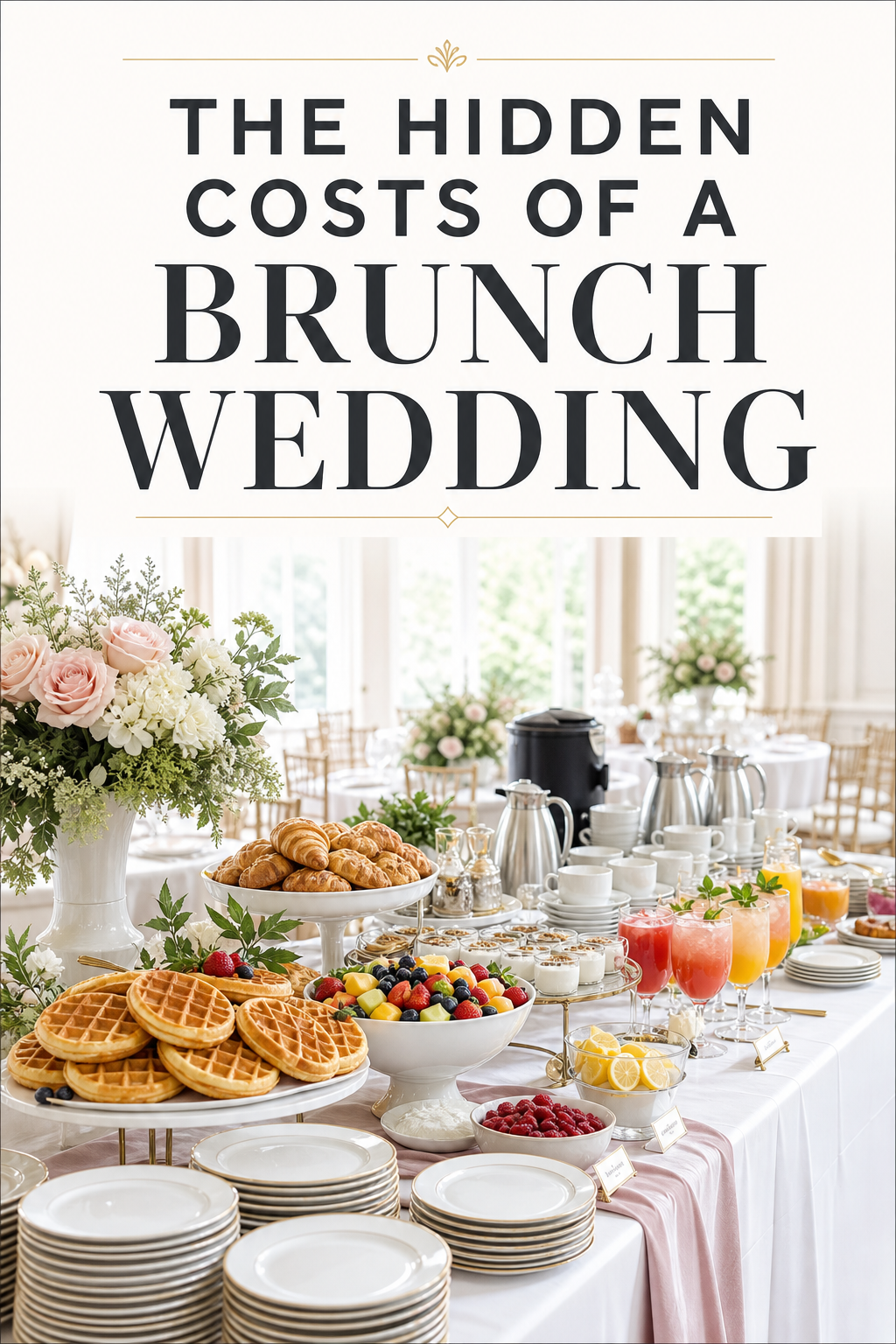
Brunch weddings are often presented as the budget-friendly alternative to a traditional evening reception. The venue may charge less for a morning time slot, guests may drink less, and breakfast food sounds inexpensive.
That can all be true. But brunch has its own cost traps, especially when couples compare only the menu price and ignore the labor, rentals and service needed to make a morning reception feel polished.
Quick Budget Snapshot
For a professionally catered brunch reception, couples should ask for a complete per-guest estimate rather than relying on the food price alone.
- Food: roughly $25 to $55 per guest
- Staffing and service: roughly $10 to $25 per guest
- Rentals: roughly $8 to $20 per guest
- Coffee and nonalcoholic beverages: roughly $8 to $18 per guest
- Delivery, setup, tax and gratuity: quoted separately by many vendors
Local prices vary widely, but these ranges show why a $30 brunch menu does not automatically create a $30-per-person reception.
1. Early-Morning Staffing
A ceremony at 10:30 AM may require catering staff, rental crews, florists and venue managers to begin work before sunrise. Some vendors charge early-access fees, overtime or additional labor when setup must happen outside their normal schedule.
Ask every vendor when their team needs access and whether your venue charges for those hours.
2. Coffee Service Is More Than a Carafe
Guests expect good coffee at brunch. A complete station may include regular and decaf coffee, hot water, tea, cream, dairy-free options, sweeteners, cups, saucers, stirrers and constant replenishment.
An espresso cart looks impressive but can add equipment, staffing and minimum-service charges. Even a standard coffee station should be listed as its own budget line.
3. China, Glassware and Linen Rentals
Brunch often needs more pieces per guest than a simple dinner. Coffee cups and saucers, juice glasses, water glasses, plates, bowls, flatware and serving pieces can multiply the rental count quickly.
Buffet tables also need linens, risers, platters and food-safe display equipment. Confirm whether your caterer supplies these items or expects you to rent them.
4. Premium Food Stations
Waffles and scrambled eggs can be affordable. Made-to-order omelets, carving stations, smoked salmon displays and custom coffee drinks are not.
Interactive stations require chefs, power, equipment and extra service space. Choose one memorable station and support it with simpler self-serve items instead of paying for several staffed experiences.
5. Delivery, Setup and Breakdown
Rental companies, bakeries and caterers may each charge separate delivery fees. Morning timelines can also require deliveries the night before, which may add storage or venue-access costs.
Ask who is responsible for moving tables, lighting fuel, replenishing the buffet, packing leftovers and returning rentals. Unassigned tasks usually become last-minute expenses.
6. Venue Minimums
Some venues offer a lower morning rental rate but keep the same food-and-beverage minimum used for evening events. Others require the reception to end early enough for a second event later that day.
Review the minimum spend, access time and hard exit time together. A discounted room is not a bargain if the required catering spend is higher than your actual brunch plan.
7. Beverage Expectations
Skipping a full bar can save money, but brunch beverages still need a plan. Juice, sparkling water, specialty coffee, mocktails and optional mimosas can create several separate service stations.
A focused menu works best: coffee and tea, water, one juice, and one signature drink. Fewer choices reduce glassware, ice, mixers and labor.
A Realistic 100-Guest Example
A practical midrange brunch budget might look like this before the venue rental, taxes and gratuity:
- Food and buffet service: $3,500
- Catering staff: $1,500
- Coffee and nonalcoholic beverages: $1,200
- China, glassware, linens and serving rentals: $1,500
- Cake or brunch dessert: $700
- Delivery, setup and breakdown: $800
Estimated subtotal: $9,200
This is an example, not a universal quote. Use it to identify missing categories when comparing proposals.
Where To Save Without Making It Look Cheap
- Choose one staffed station instead of several.
- Use seasonal fruit and pastries rather than individual plated starters.
- Offer one signature brunch drink plus coffee, tea and water.
- Select a venue with tables, chairs, china and linens included.
- Serve a small display cake with sheet cake or pastries for guests.
- Keep the ceremony and reception at the same location.
Questions To Ask Before Booking
- What is included in the quoted per-person price?
- Are coffee, tea and juice priced separately?
- Is there an early-access or morning labor fee?
- Which rentals are included, and who returns them?
- Does the venue have a food-and-beverage minimum?
- How long do vendors have for setup and breakdown?
- Are tax, gratuity and service charges already included?
Final Takeaway
A brunch wedding can still be an excellent value. The savings come from a focused menu, a shorter reception and smarter beverage choices, not from assuming breakfast food makes every other cost disappear.
Build the budget from the full guest experience: access, staffing, rentals, food, drinks, delivery and cleanup. Once those pieces are visible, you can compare brunch venues accurately and spend on the details your guests will actually notice.