

How to Build the Ultimate Salad & Grain Bowl Bar (A Wedding Planner’s Guide)
Planning weddings has taught me one hard truth: the "standard plated salad" is often the most wasted food at the reception.
We have all seen it happen. The servers drop plates of iceberg lettuce with a single cherry tomato, and half the guests ignore it to head straight for the bar. As a planner, seeing that waste drives me crazy. As a host, I want my guests to actually enjoy what they are eating.
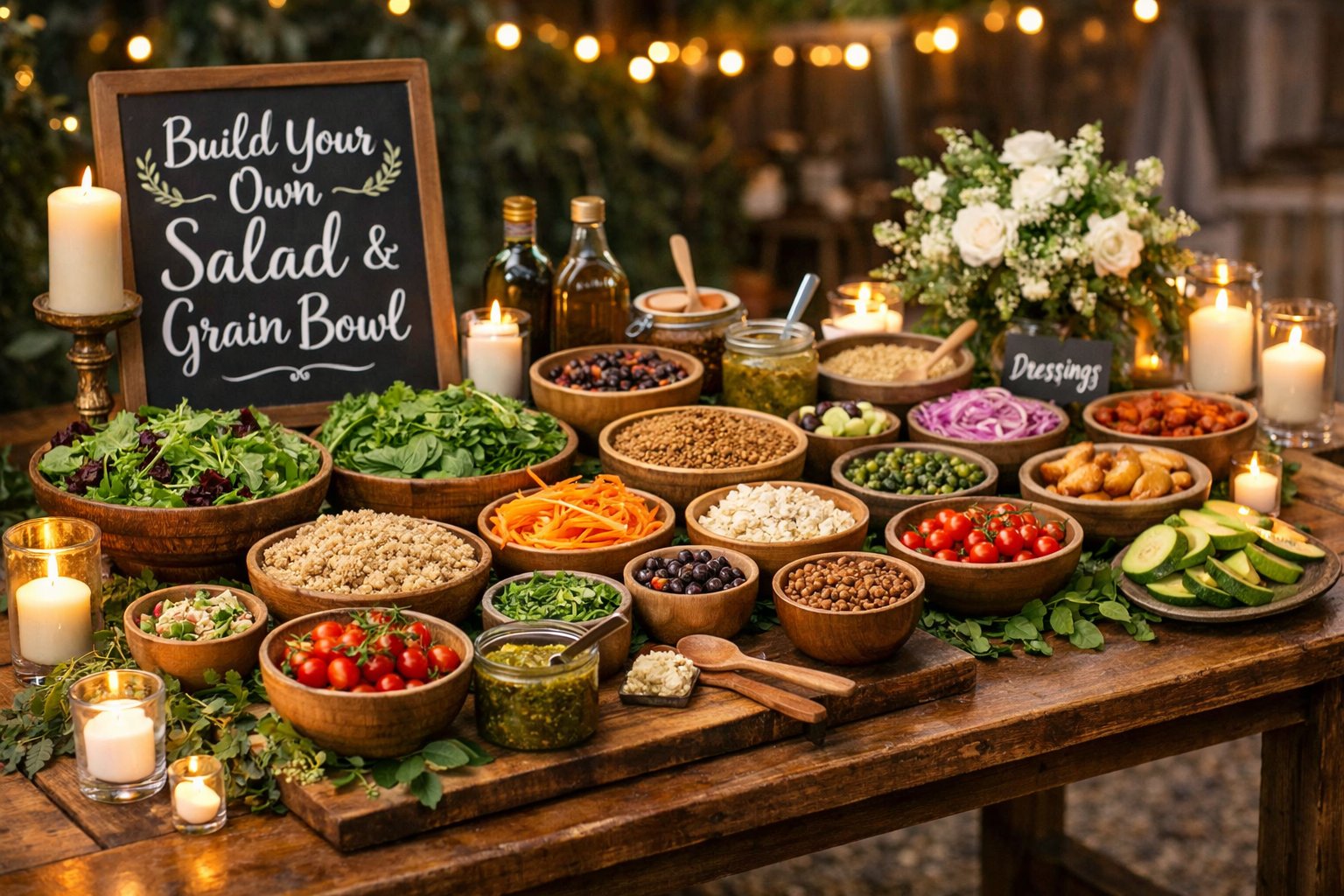
That is why I started pushing for a Build-Your-Own Salad and Grain Bowl Bar.
It is a flexible, health-forward station that encourages conversation and ensures everyone finds something they love. In this guide, I’ll share why this trend works so well for modern weddings, how to plan a bar that looks good and tastes great, and how to keep the line moving.
Why This Fixes the "Dietary Restriction" Nightmare
Interactive stations allow guests to make the meal their own. Instead of handing everyone the same plate, let your guests pick their base and toppings.
From a logistics side, this is a lifesaver. Modern weddings are full of allergies—gluten-free, vegan, keto, dairy-free. Usually, this means creating four different special meals. A grain bowl bar solves this in one shot. Because the ingredients are separate, guests can skip what they can't eat. It takes the pressure off you and the catering staff.
Plus, it gives guests a boost. Dark leafy greens and grains like quinoa provide real energy (Vitamin B and fiber) rather than the sugar crash that comes after eating just cake and cocktails. It is a subtle way to make sure your dance floor stays full later in the night.
The Base Strategy
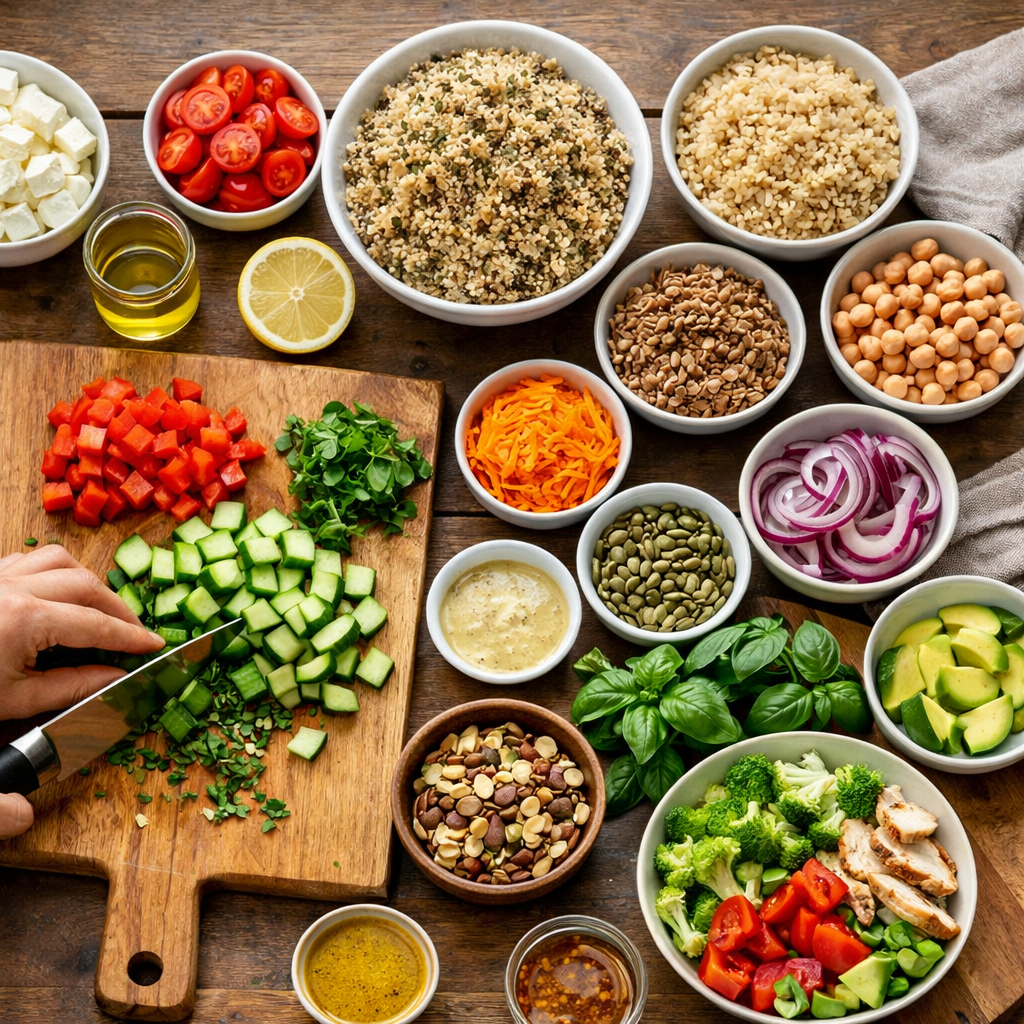
Start by deciding on two or three solid options. You don't need ten choices; you just need the right ones.
The Greens: I like to offer one distinct texture—like a crisp romaine or a mixed spring green.
The Nutrient Hit: Spinach or kale (tip: massage the kale with a little oil so it’s not tough).
The Grain: A hearty grain like farro, quinoa, or brown rice.
The Planner Trick: Cook the grains in vegetable broth instead of water. It adds a ton of flavor without adding much cost.
The Prep Move: Bases can be prepped in bulk. Keep them chilled until the very last second. Nothing looks sadder than wilted spinach on a buffet line.
The Toppings (Texture is Key)
A good bowl isn't just about taste; it is about the crunch. I like to break the toppings down into categories so the table looks organized and guests can see the variety.
Proteins: Grilled chicken strips are standard, but marinated tofu or chickpeas are cheap, filling options for vegetarians. Smoked salmon feels fancy if you have the budget.
The Color: This is where you make it look pretty. Crisp cucumbers, cherry tomatoes, roasted sweet potatoes, shredded carrots, and sliced avocado.
The Crunch: This is the most important part. Toasted pumpkin seeds, walnuts, crispy onions, or homemade croutons.
The Dressing: Stick to three. A vinaigrette (safe), a creamy option (ranch or caesar), and a fun one (like a citrus-herb oil).
Logistics and Layout
Just like any food station, the flow can make or break the experience.
Dressing Goes Last: Never put the dressing at the start. If people dress their greens first, the toppings slide off, and it makes a mess. Dressing is the final step before the fork.
Height Matters: Use tiered stands or wooden crates to add height to the table. It keeps the station from looking cluttered and helps guests see what is coming up next in the line.
Temperature Control: This is tricky. Greens need to be cold (use ice baths under the bowls). Roasted veggies or warm grains need to be in a chafing dish or a slow cooker.
Sample Bowl Inspiration
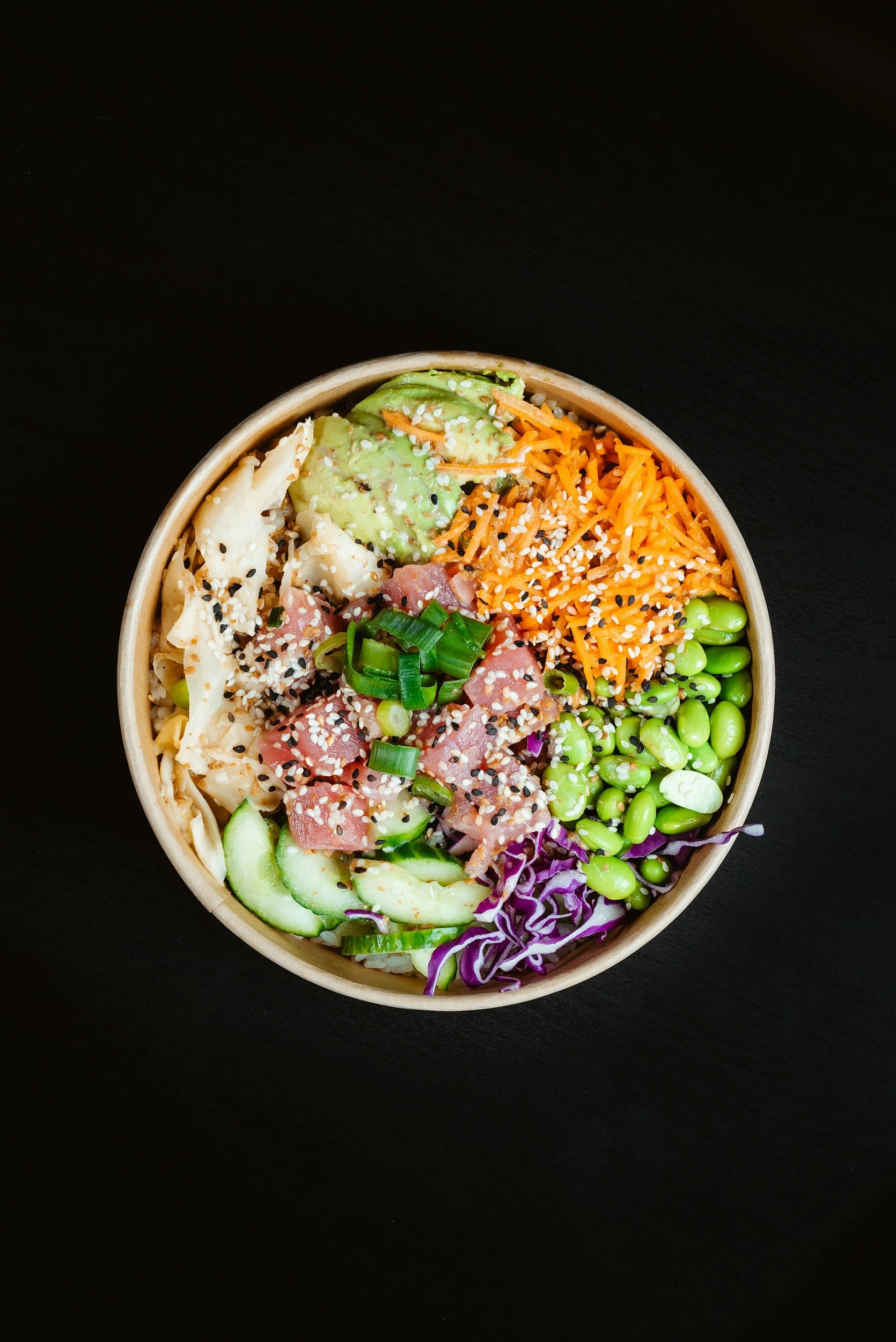
Guests sometimes get overwhelmed by too many choices. I like to put up a little chalkboard with "Chef's Picks" to inspire them. Here are two of my favorite combos:
1. The Mediterranean Delight
Base: Mixed greens & quinoa.
Top: Grilled chicken, roasted peppers, Kalamata olives, & tomatoes.
Finish: Feta cheese & lemon-herb vinaigrette.
2. The Autumn Harvest
Base: Spinach & farro.
Top: Roasted butternut squash, dried cranberries, & spiced pecans.
Finish: Goat cheese & maple-Dijon dressing.
Budget and Shopping Tips
Keeping costs down is simple when you embrace the season and buy in bulk.
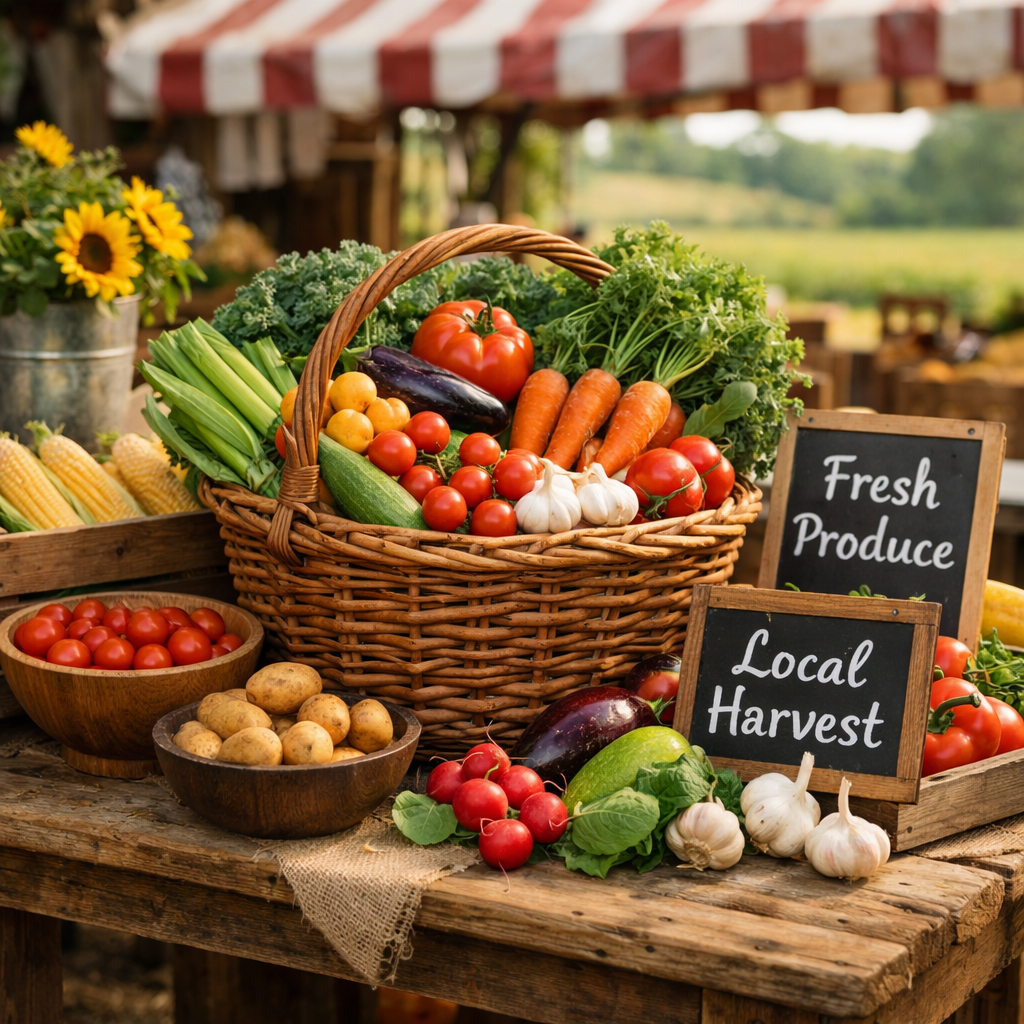
Shop the Season: This is the biggest money saver. In spring, use peas, radishes, and asparagus. In summer, corn and heirloom tomatoes. In fall, squash and apples. Seasonal produce tastes better and costs way less because it doesn't have to be shipped halfway across the world.
Bulk Grains: Quinoa and rice are incredibly cheap when bought in bulk bags from wholesalers. They fill people up for pennies.
Rentals: Do not buy 50 serving bowls. Ask your caterer or venue about renting serving ware to avoid buying items you will rarely use again.
A Quick Note on Labels
Please, for the love of logistics, label everything. Handwrite or print tags for every single bowl. If a dressing contains dairy, say so. If the croutons are not gluten-free, mark them with a symbol. It speeds up the line because guests don't have to stop and ask, "What is this?"
A grain bowl bar is interactive, fresh, and honestly, just fun. It turns a boring "eat your veggies" course into something guests actually look forward to building.