

Planning a Farm‑to‑Table Wedding Feast on a Budget
When my partner and I decided to host a small wedding, we wanted a meal that felt personal, sustainable, and delicious without blowing our budget. Growing up in Florida, I’d spent weekends at farmers’ markets and my grandfather’s garden, so the idea of a farm‑to‑table menu immediately appealed to me. Instead of ordering food shipped from far away, we built our menu around what local growers could offer us at peak freshness. In this guide, I’ll share what farm‑to‑table means, why it’s a great choice for weddings, and how to plan a seasonal menu that’s affordable, creative and full of flavor.
What Is “Farm‑to‑Table”?
At its core, a farm‑to‑table menu sources ingredients directly from nearby farms and markets rather than relying on out‑of‑season imports. By choosing locally grown produce, you reduce transport emissions and support the farmers in your community. Experts note that locally grown produce tastes better, is more nutritious, and even bolsters the local economy. To me, it’s also about building relationships with growers and celebrating what’s in season—whether that’s sweet heirloom tomatoes in summer or fragrant citrus and winter greens later in the year. When you know your farmer, you know your food.
Why Choose Farm‑to‑Table for a Wedding?
Freshness & Flavor
Farm‑to‑table dishes guarantee the freshest ingredients, bursting with flavor and nutrition. Because the produce is harvested at its peak and served soon after, guests enjoy vibrant salads, tender greens and ripe fruit at their absolute best. As one catering company explains, farm‑to‑table catering means your guests enjoy produce at its peak, delivering unrivaled taste.
Sustainability & Local Support
Sourcing ingredients locally reduces the “food miles” that ingredients travel and cuts down on packaging waste. It also keeps money in your community by supporting regional farmers and artisans. Eating locally is one of the simplest ways to lessen your environmental impact while strengthening your local economy. Planning our wedding meal this way felt like a tangible way to give back to the people who have fed us for years.
Visual & Sensory Experience
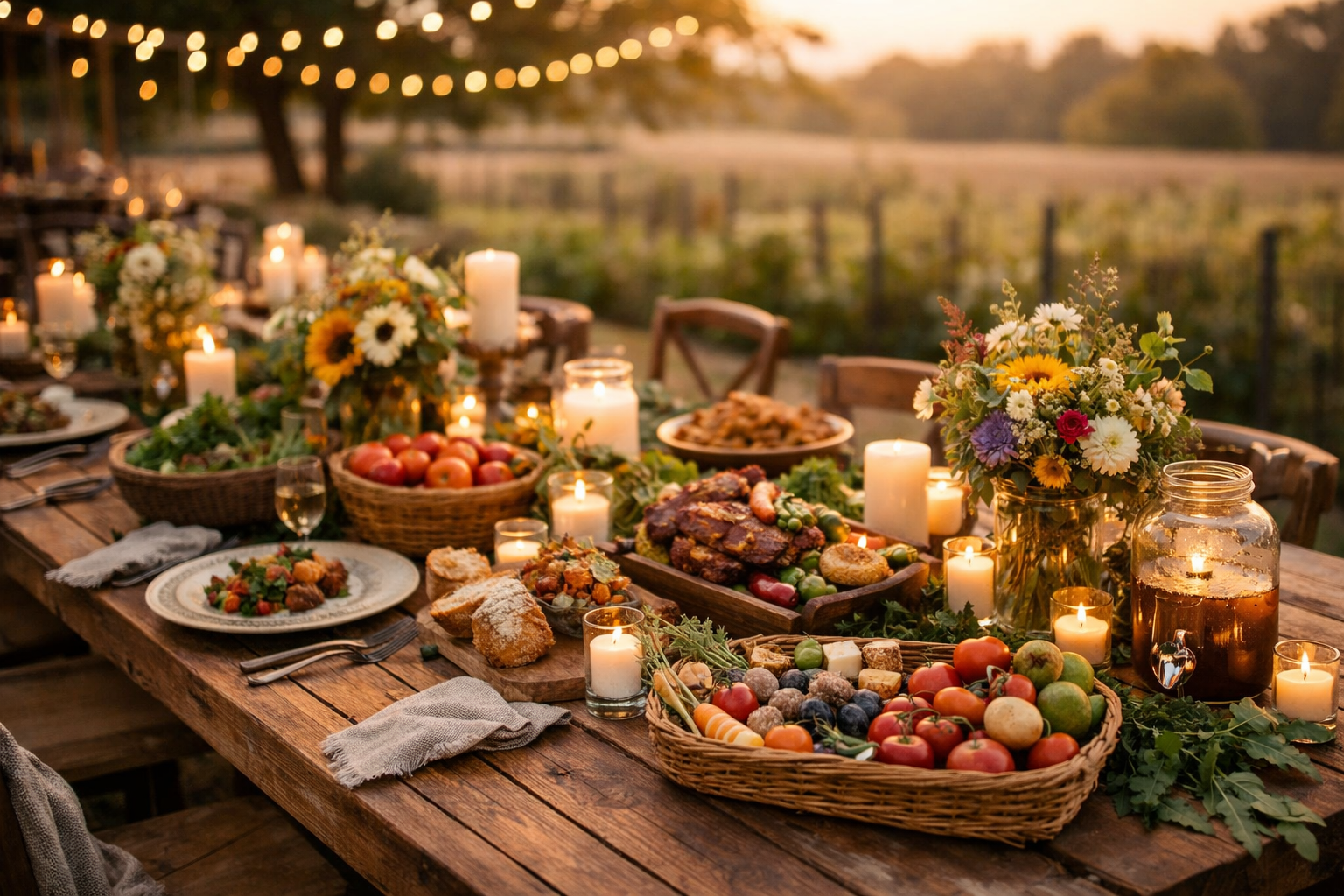
Beyond taste, farm‑fresh produce and herbs make your plates look and smell incredible. Think rustic boards filled with rainbow vegetables, edible flowers tucked into salads and sprigs of herbs tied around napkins. Riverview Barn notes that farm‑to‑table catering creates visually rich, sensory‑laden dishes using edible flowers, herbs and artisan breads. These natural touches provided the decor for our wedding dinner, reducing the need for elaborate centerpieces.
Planning Your Seasonal Menu
Start With Seasonality
Begin by researching what fruits, vegetables, and herbs will be in season around your wedding date. Visit farmers markets or talk directly with growers to see what they’re harvesting. One planning guide recommends starting with seasonality and mapping out local sources, even visiting markets and co‑ops. For our autumn wedding, local growers offered late‑summer tomatoes, peppers, and herbs alongside early fall squashes and citrus. Building your menu around what’s abundant keeps costs down and ensures every dish tastes its best.
Build Relationships With Farmers
Reach out to small farms and ask what produce and meats they can supply. Invite them to be part of your story. We met with a couple who raise heritage chickens and worked with them to provide free‑range roasted chicken for our main course. Working directly with growers allows you to ask questions about farming practices, request specific varieties (like heirloom carrots or purple potatoes) and negotiate fair prices.
Create a Flexible Market Menu
Farm‑to‑table menus work best when they’re flexible. The Riverview Barn guide suggests adopting a “market menu” approach and being prepared to swap dishes depending on what’s available. Build your courses around categories rather than exact recipes—for example, plan a seasonal salad, a roasted vegetable, a protein and a grain—then plug in whichever ingredients are freshest that week. This approach made it easy for our caterer to pivot when a late frost affected one crop; she simply substituted roasted sweet potatoes for the planned beets.
Balance the Courses & Dietary Needs
Aim for a mix of textures and flavors across your meal. Include something crisp and raw (like a shaved fennel salad), something warm and hearty (roasted root vegetables), and something indulgent (a buttery cornbread baked in a cast iron skillet). Don’t forget vegetarian or vegan guests—plant‑forward dishes like stuffed squash halves or a bean‑and‑grain pilaf are affordable and crowd‑pleasing. The farm‑to‑table philosophy celebrates variety, so use it as an opportunity to showcase a rainbow of produce.
Budget‑Friendly Tips & Favors
Let vegetables shine. Meat can be pricey, so design your menu around seasonal vegetables and grains, using small portions of meat or cheese for flavor. A grilled vegetable platter or a hearty grain salad can be just as satisfying.
Pick‑your‑own flowers. Instead of expensive floral arrangements, we visited a local pick‑your‑own flower farm a few days before the wedding. Friends and family helped us cut buckets of zinnias, herbs and sunflowers that we arranged in Mason jars for the tables. This saved hundreds of dollars and fit perfectly with the farm vibe.
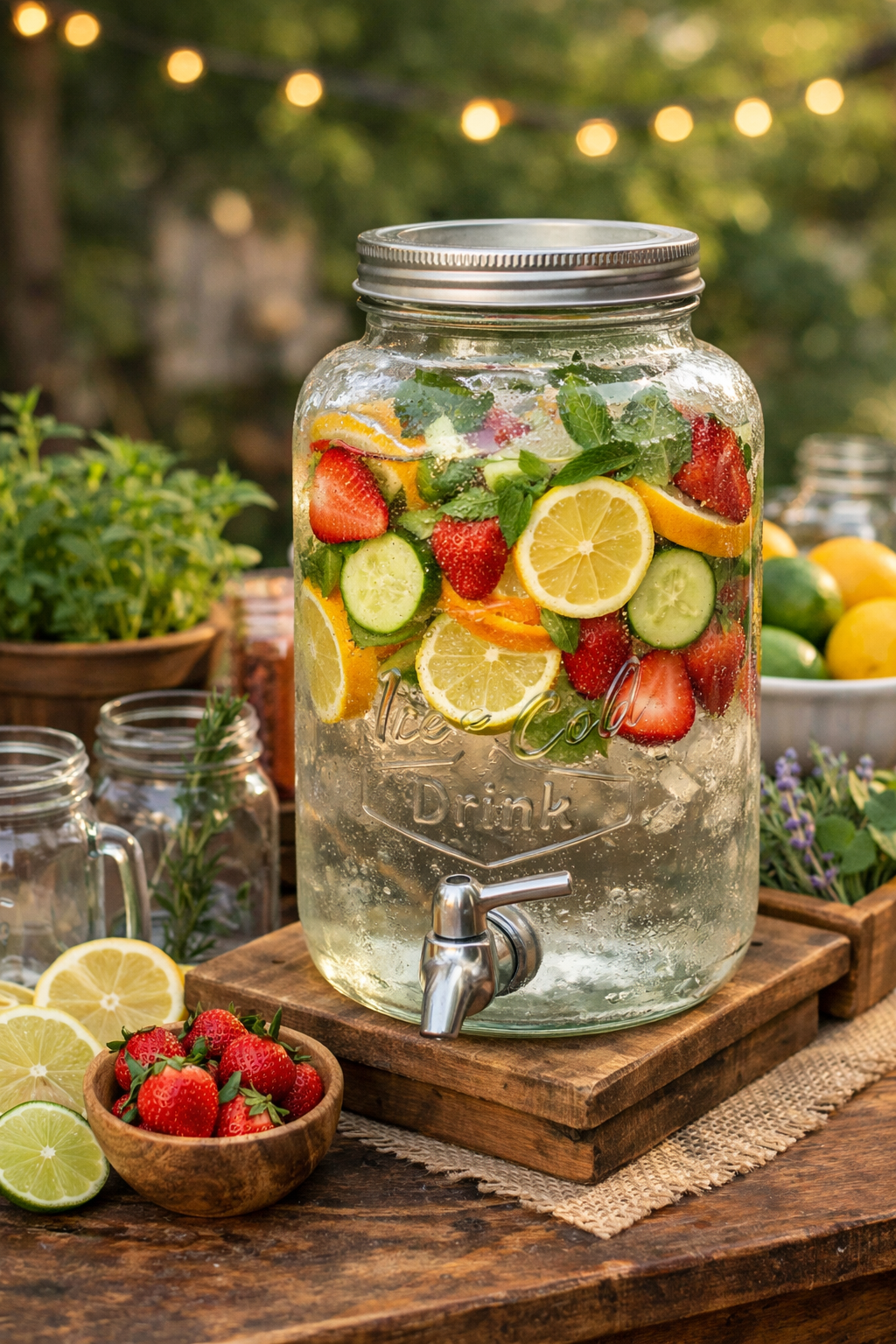
Serve infused water. Skip bottled sodas and offer pitchers of ice water infused with citrus, cucumbers and herbs. The dispenser pictured below doubles as decor, and you can reuse it for future parties.
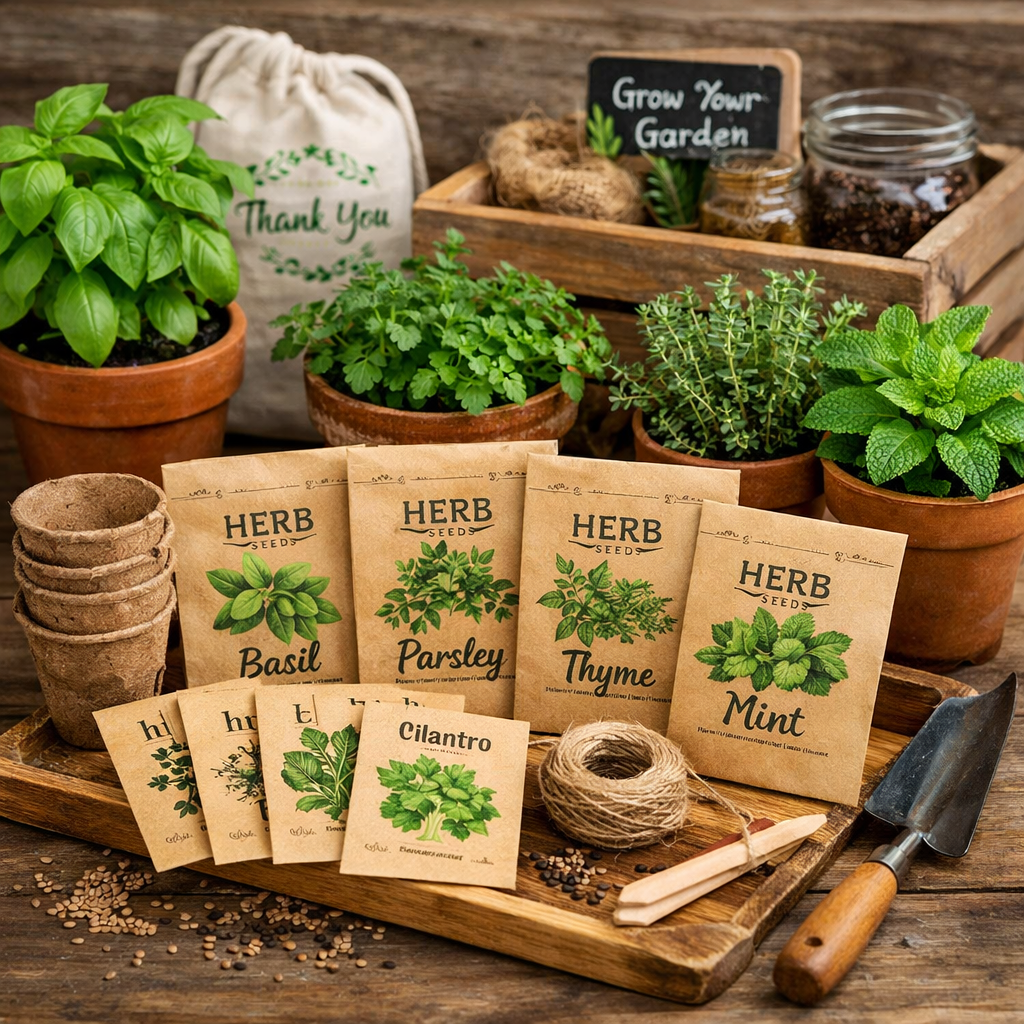
Seed packet favors. We gave guests packets of herb seeds—basil, parsley, thyme and mint—tied with twine. They were inexpensive and on theme; our friends loved planting them at home.
Sample Menu & Recipes
Heirloom Tomato & Burrata Salad
Ingredients:
4 large heirloom tomatoes (mixed colors), sliced
8 oz fresh burrata cheese
Handful of fresh basil leaves
2 tbsp extra‑virgin olive oil
1 tbsp aged balsamic vinegar or reduction
Sea salt and cracked black pepper
Directions:
Arrange the tomato slices on a platter and tear the burrata over the top. Tuck whole basil leaves between the slices.
Drizzle with olive oil and balsamic. Finish with a sprinkle of sea salt and pepper. Serve at room temperature.
This salad is all about letting peak‑season tomatoes shine. The creaminess of the burrata and the brightness of the basil make it feel luxurious, but each ingredient is simple and affordable when it’s in season.
Cast Iron Skillet Cornbread
Ingredients:
1 cup cornmeal
1 cup all‑purpose flour
1 tbsp baking powder
1/2 tsp baking soda
1/2 tsp fine sea salt
2 tbsp honey
2 large eggs
1 cup buttermilk (or almond milk with 1 tbsp lemon juice)
4 tbsp unsalted butter or coconut oil
Directions:
Preheat your oven to 425°F (218°C). Place a cast iron skillet in the oven while it heats.
Whisk together the dry ingredients in one bowl and the wet ingredients (except the butter) in another.
Carefully remove the hot skillet and add the butter, swirling to coat. Pour the melted butter into the wet ingredients and mix.
Combine wet and dry ingredients until just mixed and pour the batter into the hot skillet.
Bake for 20–25 minutes until golden brown and a toothpick comes out clean. Serve warm with honey or herb butter.
Citrus‑Mint Infused Water
Fill a large glass dispenser with filtered water, then add sliced lemons, limes, oranges, cucumbers and a handful of fresh mint. Chill for at least an hour so the flavors meld. It’s refreshing, eye‑catching and far cheaper than a soda bar.
Decor & Presentation
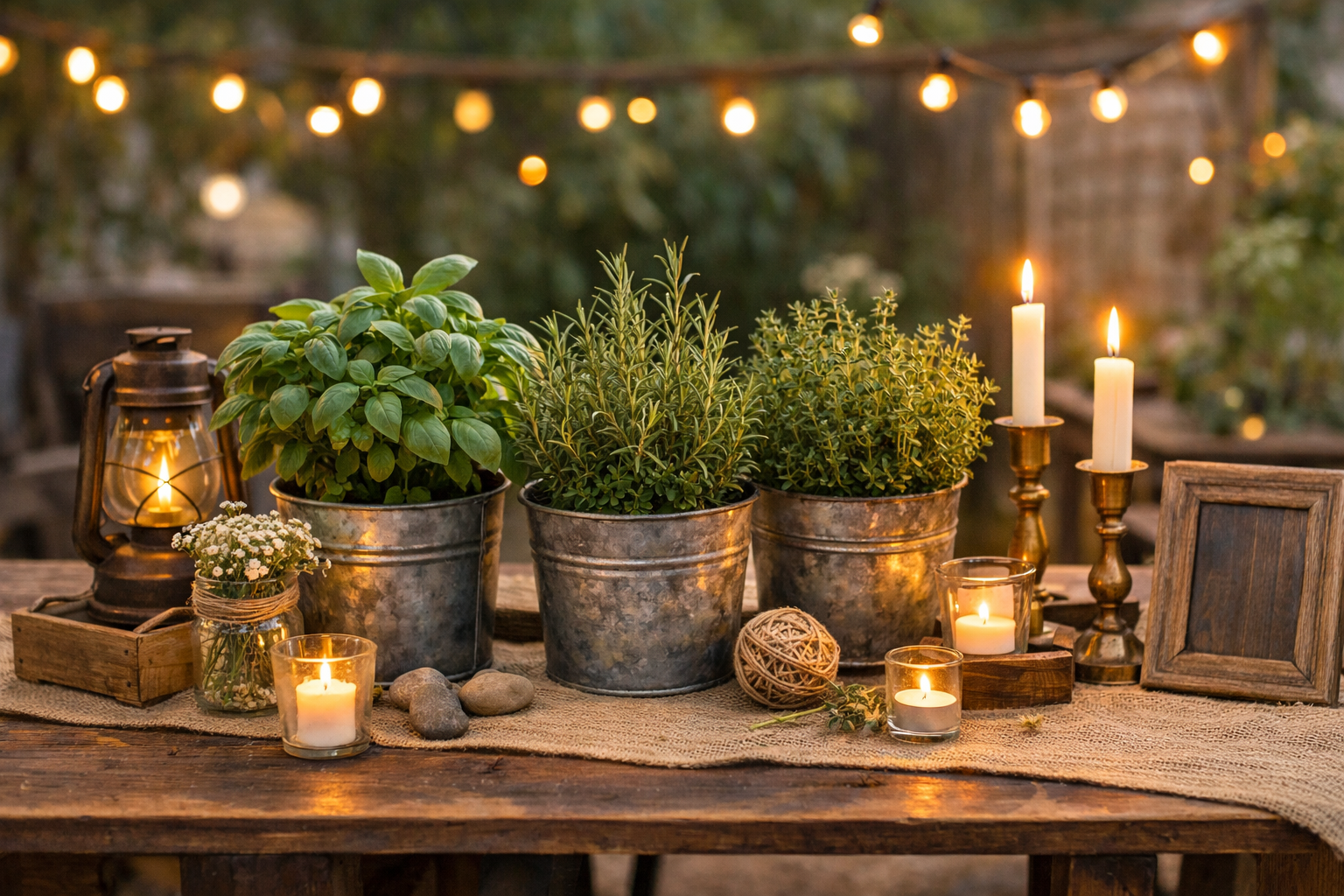
Farm‑to‑table dining is as much about presentation as it is about ingredients. Instead of renting fancy centerpieces, we used potted herbs like basil, rosemary and thyme in galvanized buckets. These doubled as decor during dinner and went home with family members afterward. Candles in simple glass holders and a few rustic lanterns added warmth and light as the sun set. To make the spread more inviting, we set out a wooden board laden with colorful vegetables, olives, cheeses and a honeycomb. Guests could graze while sipping cocktails, and the board looked gorgeous against the linen tablecloth.
Affiliate Picks
To recreate some of the touches from our day, I’m sharing a few affiliate picks that I genuinely love. If you purchase through these links, I earn a small commission at no extra cost to you.
Cast Iron Skillet: A 10‑inch cast iron skillet is perfect for cornbread, roasted veggies, and skillet pies. Its even heat and rustic look make it ideal for farm‑to‑table meals. Buy it on Amazon.
Herb Seed Kit: Give guests a thank‑you that grows. This herb seed kit includes packets of basil, parsley, thyme, and mint, mini pots, and twine, providing everything needed to start a small herb garden. Buy it on Amazon.
Glass Beverage Dispenser: A 2‑gallon glass dispenser with a stainless‑steel spigot makes serving infused water or iced tea easy and beautiful. Buy it on Amazon.
Planning a farm‑to‑table wedding feast was one of the most rewarding parts of our micro wedding. Working with local farmers, designing a flexible menu, and focusing on seasonal ingredients helped us create a meal that reflected our values and delighted our guests. We saved money by letting produce be the star, used sustainable decor and gave our friends and family something meaningful to take home. If you’re dreaming of a wedding that tastes as good as it feels, consider bringing the farm to your table—it might just be the most memorable part of your day.