

2025 Wedding Catering & Venue Guide: My Experience Planning a Budget Wedding
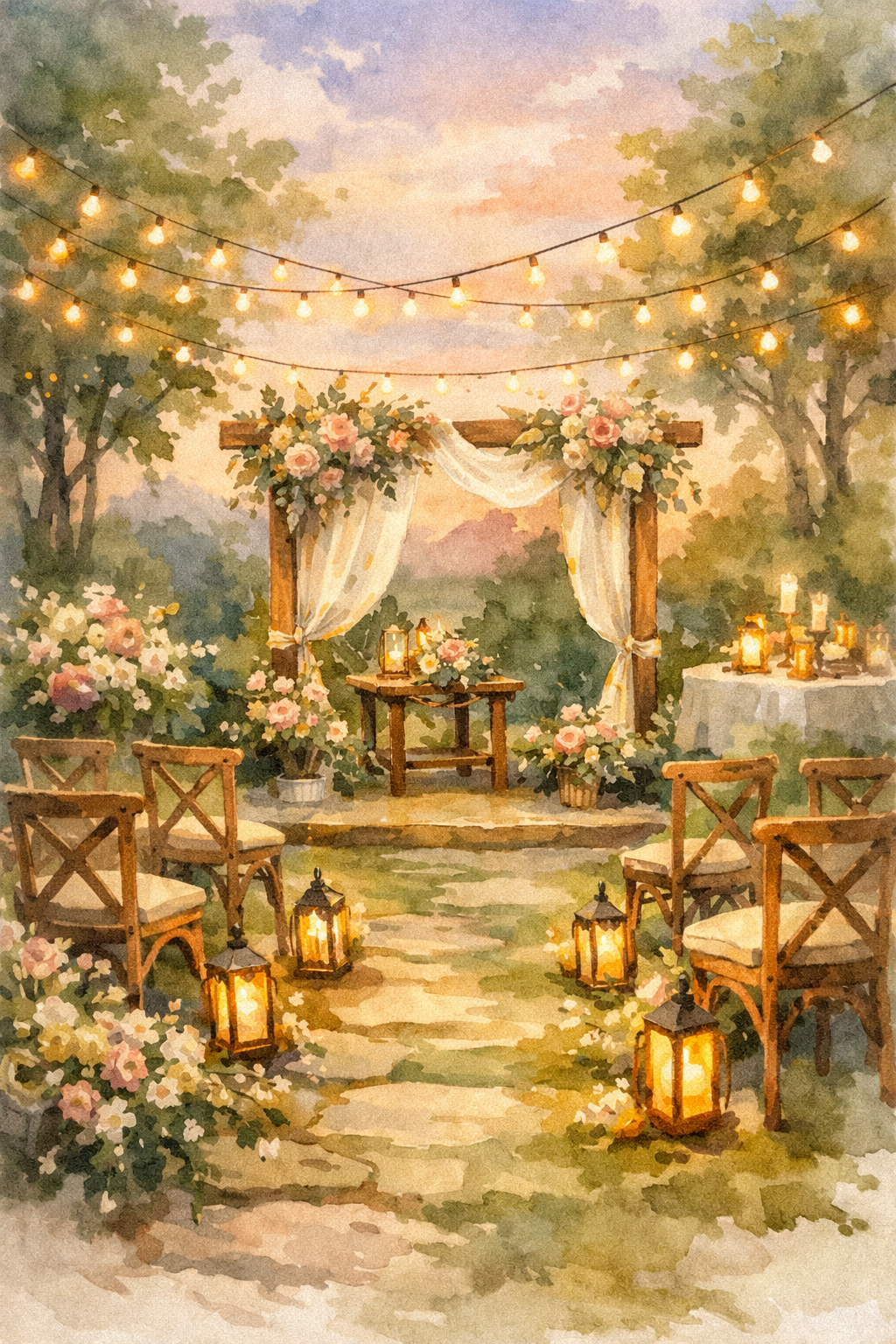
When my partner and I decided to tie the knot, we knew we wanted a day that felt like us without spending a fortune. As someone who writes about affordable wedding venues and menus, I felt a bit of pressure to practice what I preach! After months of planning and research, here’s what I learned about the biggest 2025 wedding catering and venue trends and how we used them to create an intimate celebration that didn’t break the bank.
Meaningful Food & Experiences
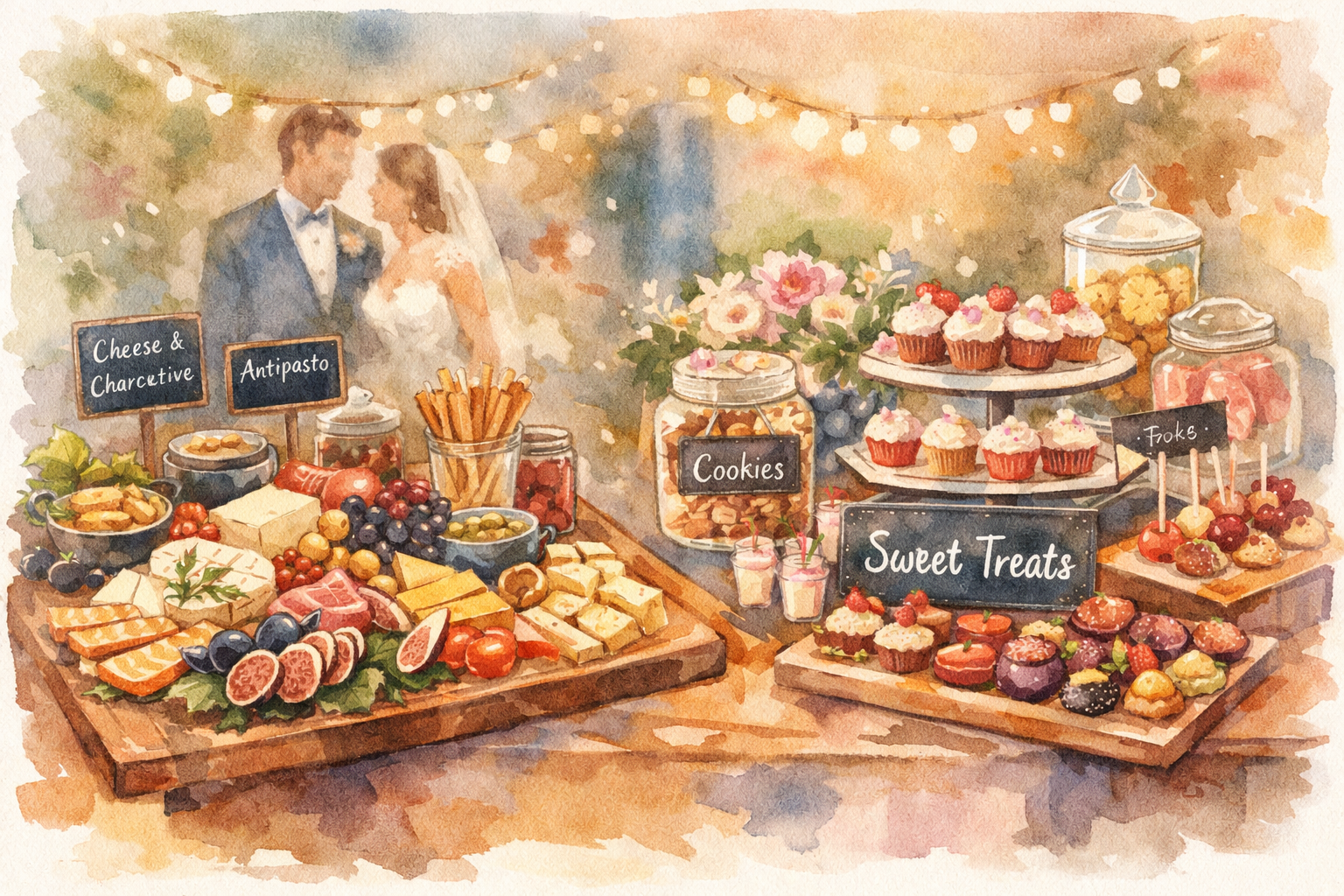
Couples and caterers are shifting away from cookie‑cutter menus. Guests care where their food comes from and appreciate unique touches, so caterers are embracing zero‑waste practices and hyper‑local sourcing. I loved this because it aligns with our values and often saves money - seasonal ingredients are fresher and cheaper, and avoiding waste means you’re not paying for excess.
Plant‑Based & Flexitarian Dishes
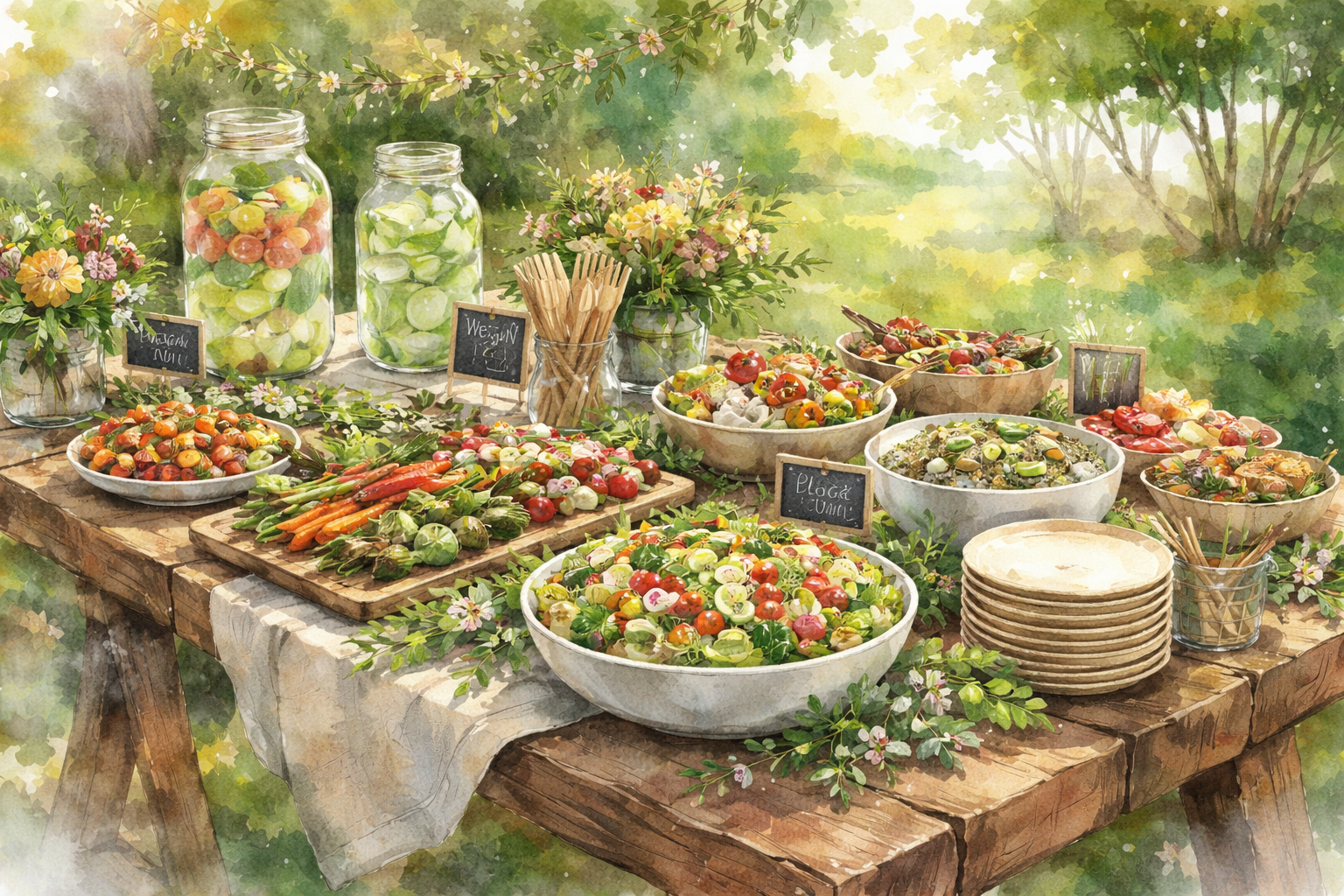
Fully vegan weddings are gaining momentum. Even if you’re not vegan, offering hearty plant‑forward options satisfies everyone and often costs less than meat‑heavy dishes. We served a mushroom "steak" that blew our omnivore friends away. The key is to focus on flavor and presentation – think roasted vegetable towers drizzled with herb oil, cauliflower “scallops” with pea purée, or mushroom bourguignon for a cosy, winter vibe. For protein, legumes, seitan, and jackfruit make satisfying mains without the price tag of prime rib.
Zero‑Waste & Eco‑Friendly Practices
Choosing a caterer with a waste‑reducing plan made us feel good and reduced costs because they design menus with realistic portions. We opted for reusable dinnerware, biodegradable napkins and bulk beverage dispensers. Our leftover food was donated to a local shelter. Small changes like composting and using edible garnishes (herbs, microgreens and even nasturtium flowers) showcase sustainability while cutting down on décor costs. The trend toward zero‑waste weddings also encourages working with vendors who source locally and avoid single‑use plasticsbrides.com.
Interactive Stations, Food Trucks & Late‑Night Snacks
Grazing tables and live stations turn dinner into entertainment. Guests loved building their own taco bowls and visiting our mocktail bar with shrubs and tea‑based drinks. Late‑night comfort food - mini grilled cheese and gourmet tater tots, kept everyone energized. For brunch weddings, consider chicken‑and‑waffle bars or biscuit sliders with fried chicken. Food trucks are a fun way to feed guests and double as décor; we hired a vintage ice‑cream truck for dessert. Interactive drink stations like coffee bars, tea bars and DIY cocktail carts let guests customize drinks and reduce bartender staffing.
Story‑Driven & Cultural Menus
One of my favorite parts was sharing our heritage through food. We offered an Irish stew in honor of my roots and jerk chicken as a nod to my partner’s Caribbean family. Cultural dishes spark conversation and make guests feel included. Tell your caterer to incorporate family recipes, most love the challenge. Another rising trend is story‑driven menus: couples design courses around their love story (e.g., a dish from their first trip together). Not only is this meaningful, but it creates a natural timeline for the evening.
Inclusive Menus & Allergy‑Friendly Options
Food allergies and dietary restrictions are common, so modern wedding menus must be inclusive. Offering gluten‑free bread, nut‑free desserts and clearly labelled dishes ensures that every guest feels taken care of. At our wedding, we created a separate allergen‑free table with quinoa salad, roasted vegetables, fruit skewers and a dairy‑free chocolate mousse. It didn’t cost much more and made our friends with celiac disease and lactose intolerance feel welcome. If your guest list includes pescatarians, kosher or halal eaters, ask your caterer about separate meal prep to avoid cross‑contamination.
Service Styles: Family Style, Plated, Buffet & Beyond
We debated how to serve dinner. Family‑style meals encourage conversation and require fewer servers, which keeps labor costs down. Buffets offer variety and flexibility, you can include multiple entrées and dietary options, and they reduce waste because guests choose what they want. Plated dinners are elegant but require more staff and can be more expensive. We chose family style for the entrée and a small dessert buffet so guests could graze as they pleased.
Another option gaining popularity is the progressive dinner or tasting menu. Small plates served over several courses keep guests engaged and allow you to showcase a range of flavors without large portions. It worked especially well for my friend’s micro‑wedding, where each course represented a different chapter of their relationship. Action stations, like sushi chefs slicing fresh fish or a pasta chef tossing penne in a giant wheel of parmesan, also double as entertainment.
Seasonal & Local Menus
Sticking with what’s in season saved us money and impressed our guests. Spring weddings benefit from tender greens and berries, summer shines with tomatoes and stone fruit, fall brings hearty squashes and apples, and winter warms guests with root vegetables and citrus. Sourcing from nearby farms reduces transportation costs, supports local businesses and makes the food taste incredible. Many caterers also partner with local breweries, wineries and distilleries, which can lead to bundle discounts if you book both the venue and beverage packages.
Choosing a Budget‑Friendly Venue
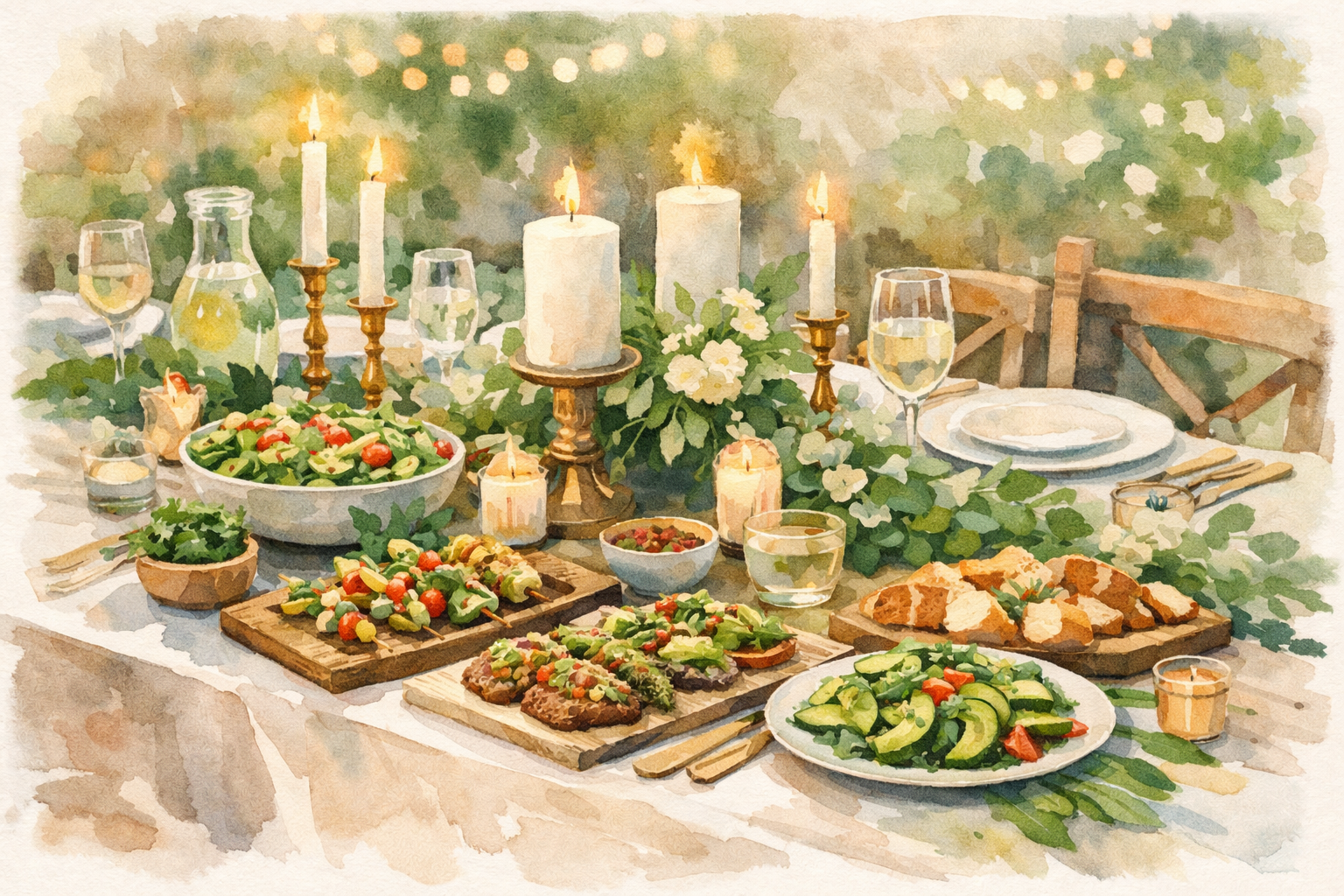
Food isn’t the only area seeing change. Venues are adapting to micro‑weddings and couples who want quality over quantity. A smaller guest list (20–50 people) allows you to reallocate money to food, décor and photography. Here’s how we selected an affordable space:
Embrace micro‑wedding venues. We limited our guest count to 35 people. Smaller venues, like boutique inns, historic homes and garden courtyards, feel cozy and cost far less than grand ballrooms.
Look beyond traditional sites. Public parks, community centers and Airbnbs can host ceremonies and receptions for a fraction of the price. We chose a nature preserve pavilion that cost $400 for the day and let us bring in our own vendors.
Combine ceremony and reception. Hosting everything in one place saves on rentals and transportation.
Opt for weekday or off‑season dates. Venues often cut prices for non‑peak days.
Ask about open‑vendor policies. Some venues require you to use their approved caterers, which can drive up costs. We prioritized locations that allowed us to bring in our chosen food trucks and BYOB bar.
Decor & Ambiance on a Budget
Decor doesn’t have to break the bank. We borrowed table linens, thrifted brass candlesticks, string lights and repurposed mason jars for centerpieces. Friends and family grew flowers in their gardens for the reception and choosing a naturally beautiful setting saved us hundreds on backdrops. To elevate the space without blowing the budget:
Rent statement pieces. A neon sign with our names, an antique loveseat for the lounge area or a floral wall can act as focal points.
Use greenery and potted plants. They cost less than elaborate floral arrangements and can double as favors.
Opt for digital décor. Projector slideshows or moving light patterns add ambiance without physical waste.
Repurpose décor throughout the day. Our ceremony arch became a photo backdrop and our aisle arrangements adorned the head table.
DIY touches matter. We printed table numbers on vintage book pages and used ribbons to tie bundles of herbs to napkins. The small details made guests feel like they were dining in our home.
Dessert & Beverage Trends
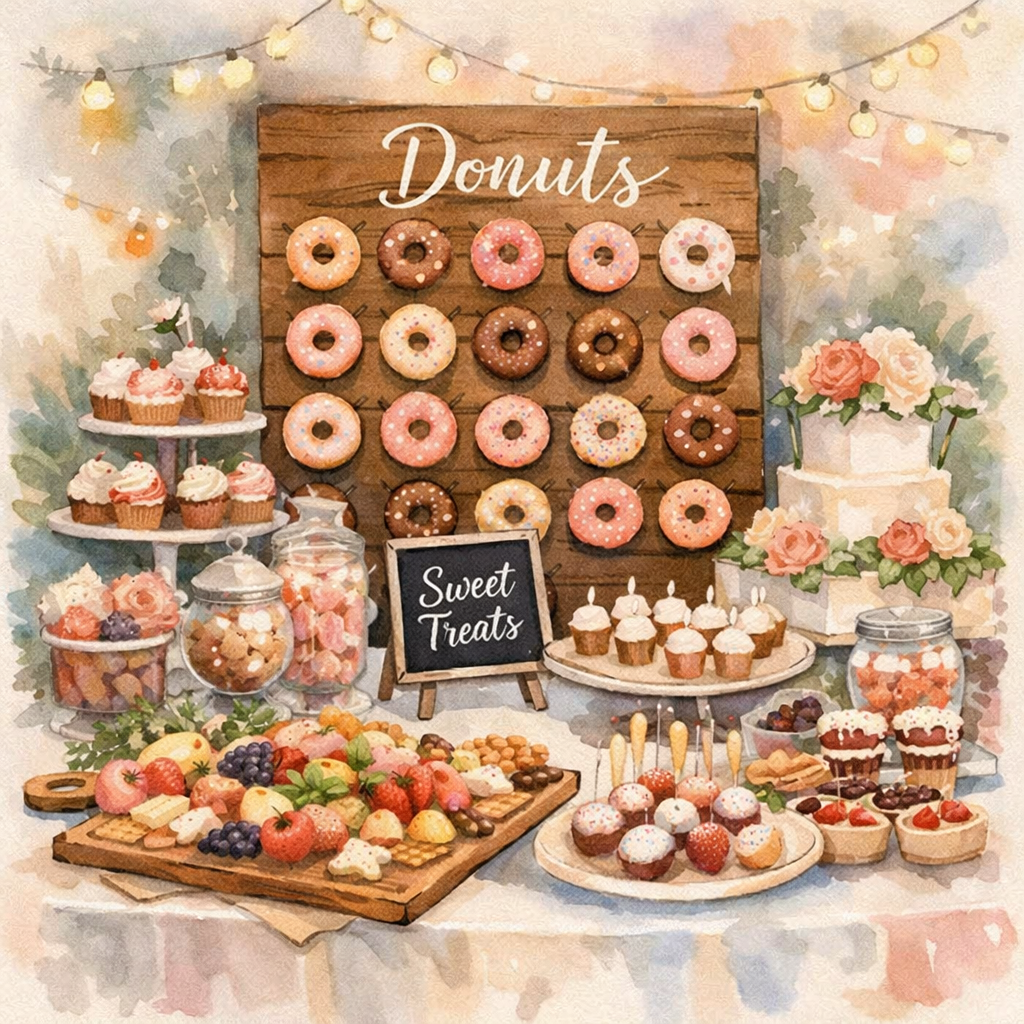
The traditional cake is still popular, but 2025 weddings are diversifying their dessert tables. Dessert bars combine bite‑sized sweets like macarons, mini pies, churros, and donut holes so guests can sample multiple treats. Charcuterie dessert boards mix sweet and savory items, dried fruit, cheeses, and chocolate - making them a crowd‑pleaser. For a wow factor, consider a donut wall or a gelato cart.
On the beverage side, signature cocktails are being replaced by customizable drink stations. We offered a mocktail bar with infused waters, botanical sodas, and a variety of garnishes. Our guests loved mixing elderflower syrup with sparkling water and topping it with basil and lemon. If you’re serving alcohol, small‑batch spirits, and locally brewed beers, supporting local businesses can be cheaper when purchased directly.
Practical Budget Tips
Here are a few more lessons we learned:
Keep the guest list small. Each additional person adds to catering, rental and bar costs.
Hire a day‑of coordinator instead of a full‑service planner. They keep things running smoothly without the high price tag.
Reuse ceremony décor at the reception. Our arch became a photo backdrop and our aisle arrangements adorned the head table.
Go digital with invitations and RSVPs. E‑invites save on paper and postage and are easier to track.
Set aside a contingency fund (around 5–10%) for unexpected expenses.
Negotiate with vendors. Don’t be afraid to ask for customization or simplified packages; many vendors appreciate the opportunity to collaborate and may offer discounts for off‑peak dates.
Make it personal. Incorporate songs, family recipes and décor that reflect your journey together. Your guests will remember the details that tell your story.
Our 2025 wedding was intimate, heartfelt and mostly stress‑free. By focusing on plant‑forward, waste‑conscious food and choosing a venue that fit our small guest list, we created a day that reflected our values and didn’t require a second mortgage. If you’re planning a wedding this year, don’t be afraid to break with tradition, incorporate meaningful family recipes and embrace sustainable practices. Your guests will appreciate the thoughtfulness - and your wallet will thank you.